The Gravy Stays: A 35g-Protein Take on Bangers and Mash for a Proper Tea
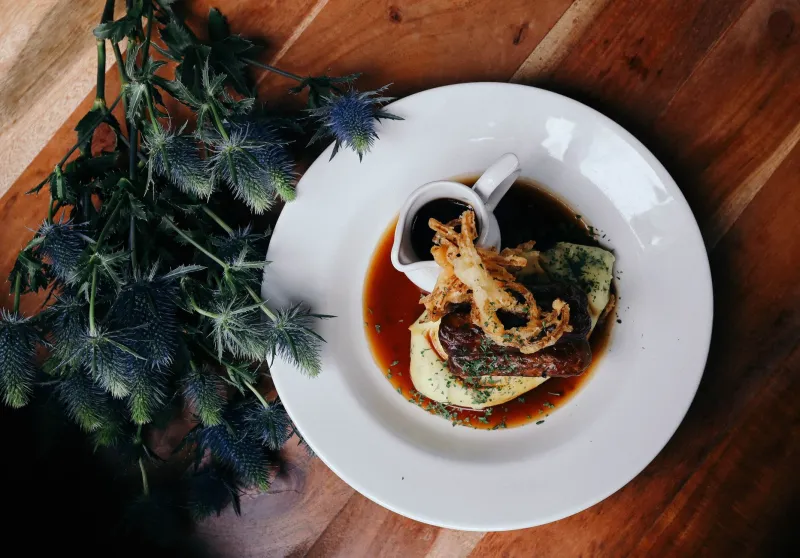
Bangers and mash has a reputation problem. Not because it is inherently unhealthy, but because it is easy to build a plate that lands somewhere near 20g of protein and a lot of unnecessary calories. The good news is that the fix is not a sad swap to chicken breasts and cauliflower. It is mostly about the sausage you pick, the amount of mash you spoon out, and whether your gravy is doing any work beyond tasting brown.
This is a tea plate, not a restaurant tasting menu. It should be comforting, quick enough for a weeknight, and structured enough that you are not hungry again at 9pm. Here is how to get it to roughly 35g of protein without losing the onion gravy.
Start with the sausage, not the sad swap
Sausages vary wildly. Some are mostly pork and seasoning; others are padded with rusk, fat, and water. The label tells you the protein per 100g, and the pack tells you the total weight. Divide the total protein by the price and you get a rough protein-per-penny figure. It is not the only thing that matters, but it stops you paying premium prices for a sausage that is mostly breadcrumb.
Here is an illustrative comparison using typical mid-2026 supermarket packs. Check your own labels and prices, because they move around.
| Sausage type | Typical pack | Protein per pack | Price | Protein per penny |
|---|---|---|---|---|
| Budget pork sausages | 8 x 60g (480g), 12g/100g | About 58g | £2.20 | About 0.26g |
| Standard pork sausages | 6 x 67g (400g), 14g/100g | About 56g | £3.00 | About 0.19g |
| Chicken sausages | 6 x 70g (420g), 18g/100g | About 76g | £3.50 | About 0.22g |
| Premium pork sausages | 6 x 67g (400g), 16g/100g | About 64g | £4.00 | About 0.16g |
The budget pork option often wins on protein per penny, but it can also be higher in fat and lower in meat. Chicken sausages usually give you more protein per sausage, which makes the plate maths easier. A lean pork sausage around 15g protein each is a good middle ground. If you are buying veggie sausages, check the label carefully; some are decent on protein, others are basically seasoned bread.
The 35g plate formula
Use this as a starting point, then adjust once you have weighed it a couple of times.
- 2 sausages at roughly 15g protein each: 30g
- 150g cooked mash made with milk and a little butter: about 3-4g protein
- 80g peas or mixed veg: about 4-5g protein
- Gravy route below: about 2-4g protein
That puts you in the 35-40g range without any weird additions. If your sausages are smaller or lower in protein, either use three, choose a higher-protein brand, or lean on the yoghurt gravy route. If you are not weighing anything, remember that two decent sausages and a modest mound of mash is very different from four sausages and half a pan of mash.
Mash that pulls its weight
Mash is not the enemy. A pile of potatoes with half a block of butter is the issue. Use floury potatoes, steam them dry, then mash with warm milk and a measured 5-10g of butter. A spoonful of Greek yoghurt stirred through adds creaminess and a little protein. Spring onions, mustard, or a grating of nutmeg can make a smaller portion feel more interesting.
Aim for around 150g of cooked mash on the plate. That is enough to soak up gravy without turning the meal into a carbohydrate-only event. If you want more volume, bulk it out with cooked leeks or cabbage rather than doubling the potatoes.
Two gravy routes that keep the comfort
Gravy is where a lot of tea plates quietly fall apart. Granules are fine, but they are mostly salt and starch. These two routes add flavour and a little protein without turning gravy into a science project.
Route one: onion gravy with yoghurt
Soften a sliced onion in a little oil, add a teaspoon of mustard and a splash of Worcestershire sauce, then pour in 250ml of chicken or vegetable stock. Thicken with a little cornflour slurry and simmer for five minutes. Take it off the heat and stir in two tablespoons of Greek yoghurt. Do not boil it after that or it may split. The yoghurt gives a tangy, creamy edge and adds a couple of grams of protein.
Route two: lentil and onion gravy
Cook a sliced onion until soft, add 30g of red lentils and 300ml of stock, then simmer until the lentils collapse. Finish with a splash of balsamic vinegar and plenty of black pepper. This makes a thicker, more substantial gravy that adds fibre and a little protein. It freezes well, so make a batch and reheat what you need.
Make it feel like tea
A macro-friendly plate still has to be enjoyable, otherwise it will not survive the week. Add something sharp: pickled red cabbage, a spoonful of mustard, or a few cornichons. Keep the peas. Use a decent sausage. And do not apologise for the gravy.
The point is not to turn bangers and mash into a protein shake. It is to make a familiar tea that hits a useful protein number, keeps the comfort, and does not leave you rummaging in the cupboard an hour later. Weigh the mash once, read the sausage label, and pick a gravy route that adds something. That is a proper tea, recalculated.