The Fridge-Door Dashboard: A Paper-First Macro Plan for People Who Are Sick of Apps
There is a particular kind of fatigue that comes from an app telling you you're 12g short of protein at 9pm. You're tired, the kitchen is cold, and the last thing you want is to open a screen and negotiate with a pie chart. Macro tracking works for some people, but for plenty of us it turns eating into admin. The good news is that you don't need perfect data to eat well. You need a few good defaults and a place to see them.
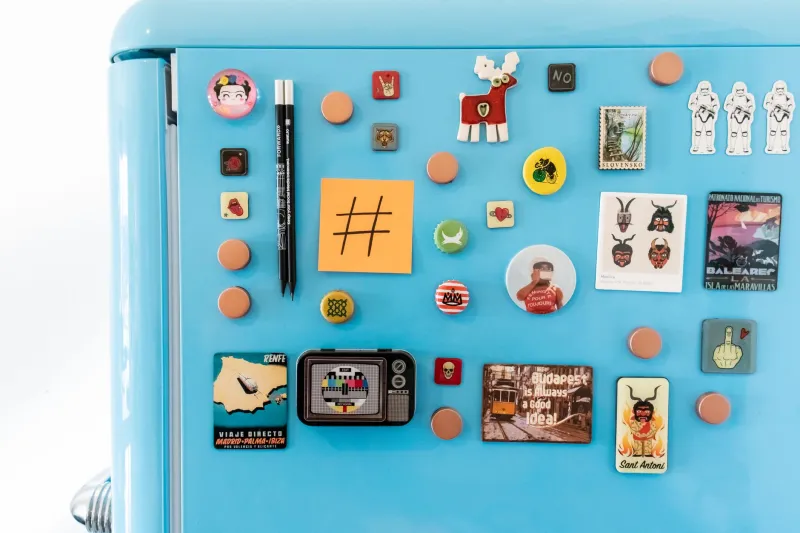
That place is your fridge door.
Why paper beats another notification
Apps are brilliant at storing information and terrible at being where decisions happen. You decide what to eat in front of the fridge, not in a database. A notebook on the kitchen counter or a sheet stuck to the door with a magnet is visible at the exact moment you need it. It doesn't buzz, it doesn't guilt-trip you, and it doesn't need a subscription.
The other advantage is honesty. A paper page can't auto-fill a meal you didn't eat. You write down what actually happened, which is far more useful than a streak you're maintaining by guessing.
The three things on the door
Forget logging every gram. Stick up three simple prompts and use them as your dashboard.
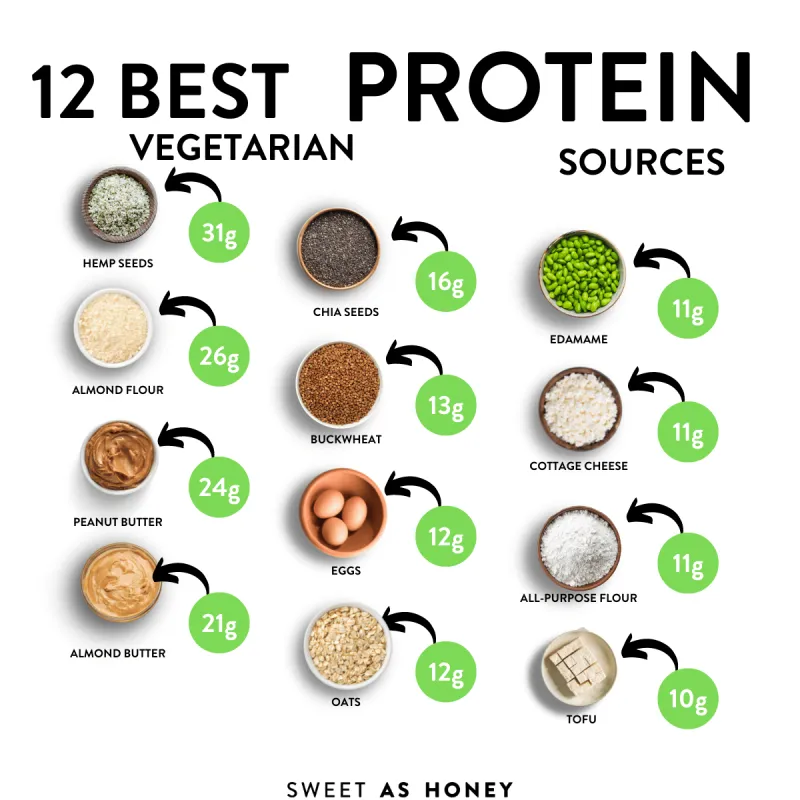
1. The protein anchor. Aim for one proper protein source at each main meal. Not a supplement, not a token sprinkle — a real portion. Eggs, Greek yoghurt, chicken, fish, tofu, beans, lentils, cheese, milk. If you can point to it on the plate, it counts. This one habit does most of the heavy lifting for satiety and repair.
2. The fibre checkpoint. Once or twice a day, ask a single question: have I had a pulse, a wholegrain, or a piece of fruit since the last meal? That's it. You're not counting grams of fibre. You're checking that your meals aren't just protein and white carbs. A tin of beans, a handful of frozen peas, a wholemeal wrap, an apple — these are the quiet workers.
3. The default meal. Write down the meal you make when you're too tired to think. Not the aspirational one. The real one. For a lot of people it's a jacket potato with beans and cheese, or a stir-fry with frozen veg and a pouch of microwave grains. Having it written down stops the 7pm takeaway negotiation.
Your notebook page: a weekly scorecard, not a diary
Turn to a fresh page each week and draw four columns: Day, Protein anchor, Fibre checkpoint, Default used. That's the whole system. One line per day. Tick or cross. No calories, no macros, no weighing.
At the end of the week, look at the page for thirty seconds. Did you hit the anchor on most days? Did the default meal rescue you twice? Did fibre disappear entirely by Thursday? That's your feedback loop. It's crude, but it's real. And because it takes about ten seconds a day, you'll actually keep doing it.
A week of realistic examples
This isn't a meal plan; it's a pattern. Mix and match.
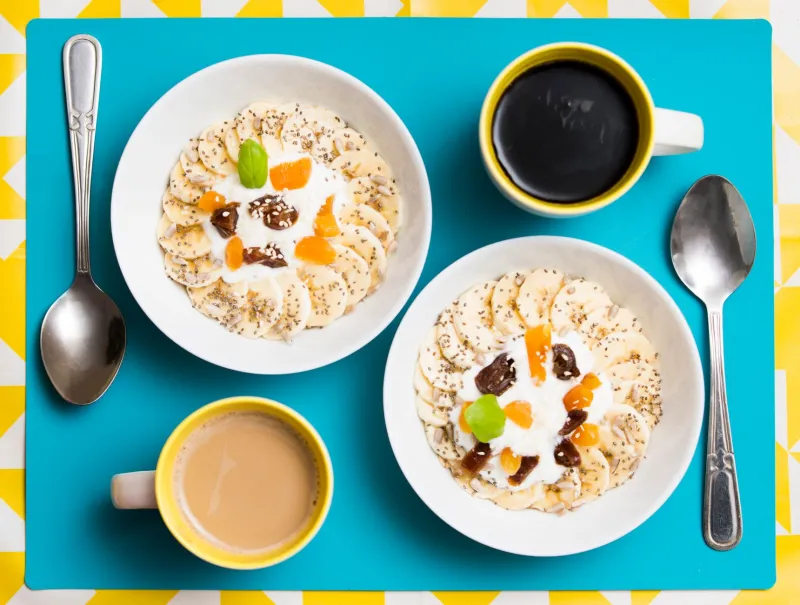
Breakfast: Porridge made with milk, stirred through with Greek yoghurt and frozen berries. Or two eggs on wholemeal toast with a splash of hot sauce. Or overnight oats with chia and grated apple. Each of these gives you a protein anchor before 9am, which makes the rest of the day much less of a scramble.
Packed lunch: Last night's leftovers are the obvious win. If there are none, a wholemeal wrap with tinned tuna, sweetcorn and a bit of mayo; a flask of soup with a handful of chickpeas thrown in; or a cheese sandwich with an apple and a handful of nuts. The fibre checkpoint is the apple, the chickpeas, or the wholemeal bread.
Quick tea: A stir-fry with frozen mixed veg, a block of firm tofu or a chicken breast, and microwave rice. A jacket potato with beans and cheese and a side of frozen peas. Pasta with tinned tomatoes, tuna and sweetcorn. None of these are Instagram food. All of them earn their place.
The supermarket defaults that do the thinking for you
Write five default items on the fridge door and buy them without debate. Mine would be eggs, Greek yoghurt, frozen peas, tinned beans, and wholemeal wraps. Yours might include milk, lentils, frozen fish, or a bag of spinach that you actually use. The point is to remove the small decisions that drain you before dinner.
This is also where budget and nutrition meet. A tub of own-brand Greek yoghurt, a bag of frozen peas, and a few tins of beans will out-perform most expensive 'high-protein' products on cost per gram and on usefulness. The £1 notebook isn't a gimmick; it's a symbol of the whole approach. Low cost, low friction, high repeatability.
The Sunday five-minute reset
Once a week, turn to a new page. Write the dates. Pick two default teas for the week ahead. Check the fridge for the basics: eggs, something green or frozen, a protein for two dinners. That's it. You are not planning every meal. You are setting up the week so that the good choice is also the easy choice.
What this method won't do
It won't give you precise macros for a bodybuilding prep. It won't replace medical advice if you have a condition that needs careful monitoring. And it won't work if you never look at the fridge door. But for the vast majority of people who just want to eat a bit better without turning dinner into a spreadsheet, it's more than enough. Consistency beats precision, and a page you actually fill in beats an app you delete in February.
If your current app is working for you, keep it. But if you've been meaning to get a grip on your week and the only thing standing in the way is another login screen, buy a £1 notebook and stick it on the door. Your fridge is already the most-used interface in your kitchen. You might as well make it a useful one.