The Sofa Fortnight: Hitting 100g of Protein When a Cold Wipes You Out

There is a particular kind of November week where the plan goes out of the window. You were doing fine — hitting your protein, getting a bit of fibre, not living entirely on toast — and then a cold arrives. Not a dramatic one. Just enough to make the kitchen feel very far away and the idea of chewing a chicken breast faintly ridiculous.
That is the week this plan is for. Not a perfect week. Not a wellness retreat. A bad week that does not have to undo a good autumn.
First, the old saying can get in the bin
‘Feed a cold, starve a fever’ has been knocking around since the 1500s, which is a long time to survive without being especially useful. There is no good evidence that starving a fever helps. Your body needs energy, fluid and protein to mount an immune response, and a fever raises your energy needs rather than lowering them.
The practical version is less catchy: eat what you can tolerate, drink more than you think, and do not force a massive plate when your appetite has disappeared. Small and often beats a heroic dinner you cannot finish. That applies to protein especially.
Why protein is the first thing to go
When you are ill, appetite often drops before anything else. Protein foods tend to feel heavy, smell stronger, or need more chewing than a plain biscuit. So the day becomes tea, toast, a banana, maybe a packet of crisps, and by 9pm you have had 30g of protein and no real desire to fix it.
One low-protein day is not a problem. Five or six in a row, when you are also less active and sleeping badly, is the sort of week that makes you feel worse than the cold alone. The aim is not to hit your usual target perfectly. It is to keep the floor from falling out of the week.
A realistic target for most adults on a rough day is somewhere around 100g of protein — enough to support recovery without turning eating into a chore. If your usual target is higher, fine. This is a damage-limitation number, not a new rule.
What actually goes down easily
The useful foods when you feel rough are not glamorous. They are soft, salty, cold or warm, and low-effort. From a UK supermarket, the reliable shortlist looks like this:
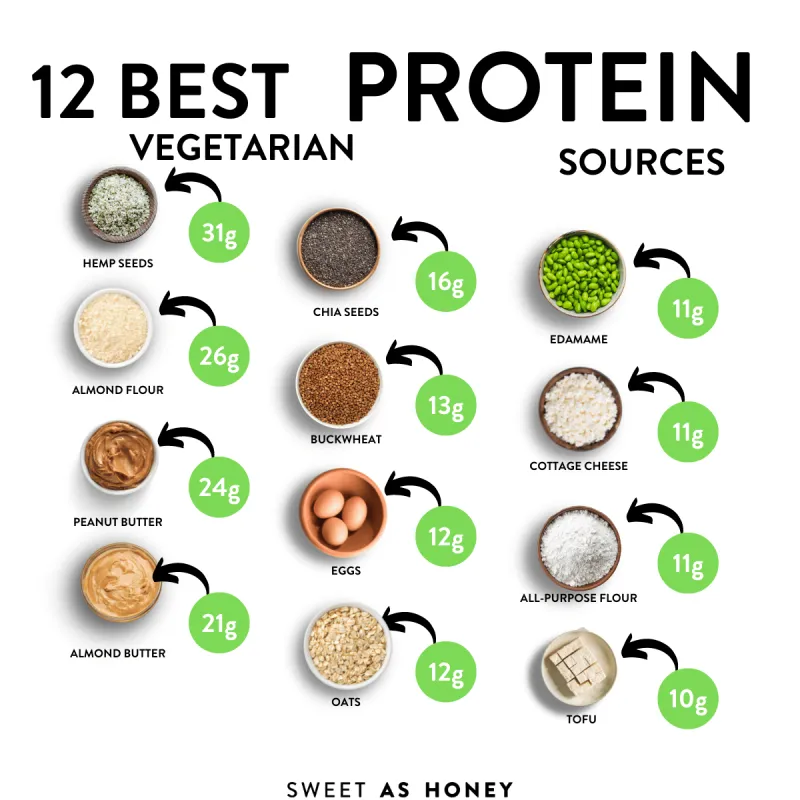
- Greek yoghurt or skyr — a 200g pot is often 15–20g of protein and needs zero cooking. Own-brand versions are fine.
- Cottage cheese — higher protein than most people remember, and good on toast or a baked potato if you can manage one.
- Milk and kefir — 250ml of semi-skimmed milk is about 8–9g of protein. UHT milk means you always have some.
- Tinned soup with a protein upgrade — a tin of lentil or chicken soup alone is modest, but add a splash of milk, a spoon of milk powder, or some cooked chicken and it starts to count.
- Eggs — scrambled, poached, or in an omelette. Three eggs is around 18g of protein and takes five minutes.
- Tinned fish — tuna, mackerel or sardines. Not everyone wants fish with a cold, but on toast or mixed through pasta it is one of the cheapest protein hits going.
- Ready-cooked chicken — the supermarket fridge version is more expensive than raw, but on a no-energy day it is the difference between 25g of protein and another slice of toast.
- Frozen peas and spinach — not protein powerhouses, but they add fibre and colour to soup or pasta with almost no effort.
A 100g protein soup-and-yoghurt day
This is not a prescription. It is a shape for the day when you cannot face cooking and want something to aim at.
Breakfast: 200g Greek yoghurt with 30g oats and a spoon of jam. Roughly 20–23g protein.
Mid-morning: 250ml milk or kefir. About 8–9g.
Lunch: A tin of lentil or chicken soup with 100g ready-cooked chicken stirred in. Depending on the tin, that is around 30–35g.
Afternoon: A 150g pot of skyr. Around 15g.
Dinner: A three-egg omelette with grated cheese and frozen spinach, plus a slice of toast. Around 25–30g.
That lands somewhere near 100g without any real cooking beyond warming soup and folding an omelette. If you only manage half of it, you have still done better than the toast-only version. If you swap the chicken for a second tin of soup, you will be lower — that is where a spoon of milk powder or a pot of yoghurt on the side helps.
The cupboard that saves the week
You do not need a prepper shelf. You need a small stash that means a bad week does not require a big shop. Keep it boring and replace it as you use it.
- UHT milk or milk powder
- Long-life Greek yoghurt if you have space, or a couple of pots in the fridge
- Tinned lentil, tomato and chicken soups
- Tinned tuna, mackerel or sardines
- Tinned beans and lentils
- Ready-cooked chicken in the fridge for the first two days
- Eggs
- Frozen peas and spinach
- Crackers, crumpets or bread for the days when texture matters
- Bananas and a bag of easy fruit
That list is not a nutrition lecture. It is a shortcut for the version of you that is shivering on the sofa and cannot remember what a balanced meal looks like.
When appetite loss is worth a GP conversation
Most cold-related appetite dips settle within a few days. It is worth speaking to a GP or calling NHS 111 if you cannot keep fluids down, feel dizzy or confused, have a high fever that will not come down, or feel breathless or chest pain. Also book a routine appointment if your appetite has not come back after a week or so, if you are losing weight without trying, or if you feel worse after day seven rather than better.
That is not alarmism. It is the difference between a rubbish cold and something that needs a proper look.
The point is the floor, not the ceiling
A cold week is not the time to optimise. It is the time to keep the basics ticking over: fluids, a bit of protein, something with fibre if it goes down, and rest. Hitting 100g of protein on a soup-and-yoghurt day is a decent floor. It keeps your muscles, your recovery and your mood from sliding quite so far, and it means that when your appetite comes back you are starting from somewhere sensible rather than from scratch.
Feed the cold. Keep the protein. Leave the old saying in the sixteenth century where it belongs.