The 20g Anchor: Five Weekday Breakfasts Under £1.50 That Actually Hold Until Lunch
The 11am biscuit run gets framed as a discipline problem. Most of the time it is a breakfast problem — specifically, a protein problem. If your first meal is two slices of toast and a coffee, you have handed your body roughly 6g of protein and asked it to run a five-hour shift. By mid-morning, the hunger is not a moral failing. It is the bill arriving.
This is not an argument for a joyless breakfast. It is an argument for building the plate around one ingredient that does some heavy lifting, then letting the nice bits — the toast, the fruit, the peanut butter — come along for the ride. Below are five weekday breakfasts that clear 25g of protein, stay under £1.50 a portion, and take less time than queuing for a flat white.
Prices are rough averages from Aldi, Lidl, Tesco and Sainsbury's as of autumn 2026. They assume own-brand staples and a bit of sensible shopping, not a special trip to a health food shop.
The maths of a 10:45 crash
A breakfast of cereal and milk might land at 250 calories with 8g of protein. Toast and jam is similar. That is fine as a snack, but as a five-hour base it is thin. Protein and fibre slow digestion, and a savoury or dairy-led breakfast tends to leave you steadier than a carb-only start.
You do not need to count every gram for the rest of the day. You just need the first meal to do its job. Think of it as setting the tone rather than hitting a perfect macro split before 9am.
The 20g anchor rule
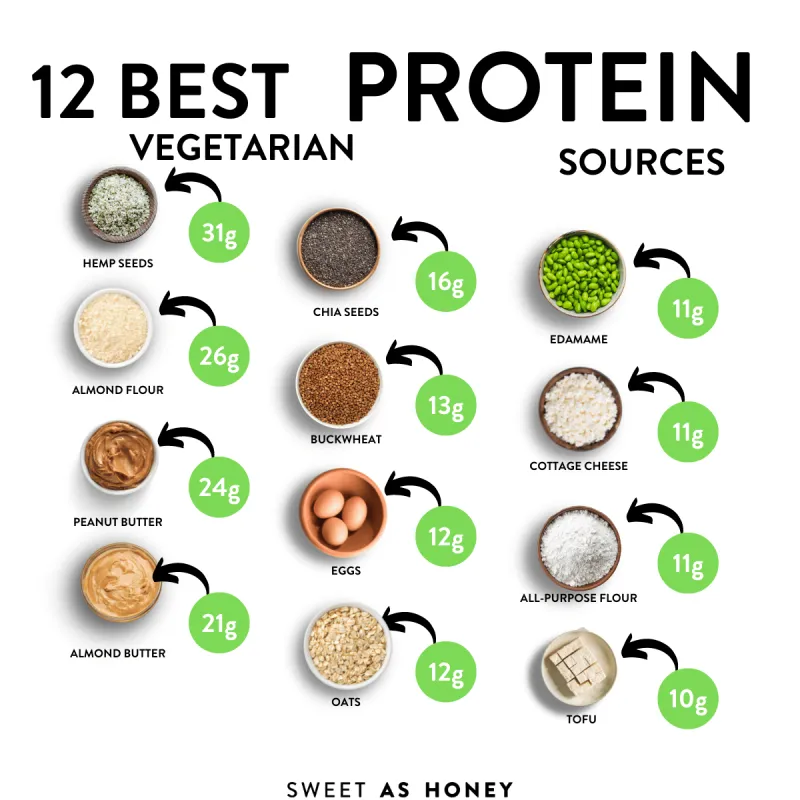
Pick one ingredient that alone carries 15–20g of protein. Greek yoghurt, cottage cheese, eggs, milk, beans, or a scoop of whey all qualify. Build the rest of the plate around that anchor with a fibre-rich carb and a little fat. If the anchor is there, the breakfast will usually hold. If it is not, no amount of positive thinking will stop the tin of shortbread from looking like a reasonable idea.
A quick note on cost: the £1.50 ceiling is per portion, not per ingredient. A tub of Greek yoghurt looks expensive on the shelf, but it stretches across five breakfasts. The same goes for a bag of oats or a block of cheddar.
Five plates that pass the test
1. The night-before bowl
Protein: about 27g. Cost: roughly 80p. Morning prep: zero.
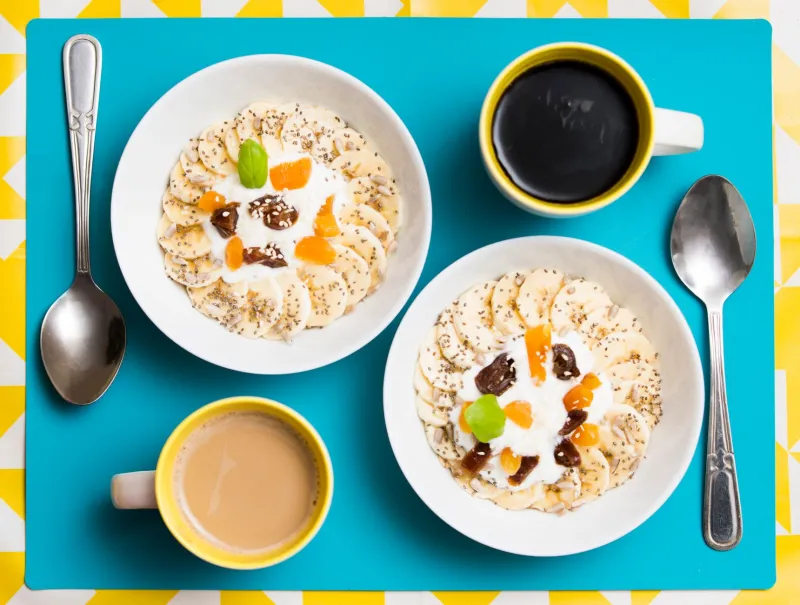
Put 150g of 0% Greek yoghurt, 40g of oats, 150ml of semi-skimmed milk and 10g of chia seeds in a tub. Stir, cover, fridge. In the morning, add a pinch of cinnamon and eat it cold. The yoghurt is the anchor, the oats bring fibre, and the chia adds a little fat so you are not ravenous by 10am.
This is the lowest-effort option on the list, provided you remember to make it the night before. If you forget, it still works as a quick assembled bowl — just expect a crunchier texture.
2. The beans-and-eggs toast
Protein: about 30g. Cost: roughly 95p. Prep: 7 minutes.
Two slices of wholemeal bread, two scrambled eggs, 100g of baked beans and 20g of grated cheddar. Toast the bread, scramble the eggs low and slow, warm the beans, grate the cheese over the top. It is a proper plate of food for under a pound, and it keeps the savoury breakfast people happy without a full fry-up.
Use the beans as part of the anchor rather than a garnish. A decent scoop adds fibre and a few extra grams of protein, and it makes the whole thing feel more substantial than two eggs on toast.
3. The cottage cheese plate
Protein: about 26g. Cost: roughly £1.10. Prep: 3 minutes.
200g of cottage cheese on one slice of rye or wholemeal bread, with sliced tomatoes, black pepper and a drizzle of olive oil. Cottage cheese is one of the quiet winners of the supermarket dairy aisle — high in protein, low in fuss, and much cheaper than the branded protein pots. The bread is there for fibre and texture, not as the main event.
If cottage cheese texture is a sticking point, blitz it briefly or mash it with a fork and a little mustard. It sounds odd; it works.
4. The porridge with a spine
Protein: about 26g. Cost: roughly 60p. Prep: 6 minutes.
Cook 50g of oats with 250ml of semi-skimmed milk, then stir in 100g of Greek yoghurt and 10g of peanut butter off the heat. The yoghurt turns ordinary porridge into something that actually holds, and the peanut butter adds enough fat to stop the whole thing tasting like a penitence exercise.
This is the cheapest plate on the list and probably the most comforting as the mornings get colder. If you use water instead of milk, add a little more yoghurt or a spoon of milk powder to keep the protein up.
5. The two-minute yoghurt bowl
Protein: about 25g. Cost: roughly £1.05. Prep: 2 minutes.
200g of Greek yoghurt, 30g of granola, 10g of pumpkin seeds and a handful of frozen berries. Tip the berries into a bowl first and microwave for 30 seconds if you want them to soften. Add the yoghurt, granola and seeds. That is it.
This is the one to keep in your back pocket for mornings when the idea of cooking is genuinely unreasonable. It is not a compromise so much as a assembly job. Buy the plain yoghurt rather than the flavoured pots and you will get more protein for less money.
The weekday rule
If you remember nothing else: anchor, fibre, fat. One ingredient carrying 15–20g of protein, one whole-food carb for fibre, and a little fat for staying power. Eat within an hour of waking if you can, and keep the portions honest rather than heroic.
The biscuit tin is not the enemy. A breakfast with no anchor is.