Thirty Grams Between Junctions: A Realistic Protein Plan for UK Motorway Services
There is a particular kind of optimism that strikes around junction 14. You've packed the good snacks. You've had a sensible breakfast. And then you're standing under fluorescent lights, holding a paper cup, staring at a Krispy Kreme cabinet that seems to be glowing slightly. The motorway services is where meal plans go to quietly die.
But they don't have to. You are not going to find a farmers' market between the filling station and the car park, and anyone pretending otherwise is selling something. What you can do is walk out with roughly 30g of protein, spend a sensible amount of money, and not feel like you've written off the day by 11am. Here's the honest playbook.
The ranking: protein per pound, not protein per promise
Most service-station food is engineered to look better than it is. The phrase 'high protein' on a label is doing a lot of unpaid labour. The more useful measure is how many grams you actually get for each pound spent — and on that metric, the boring options win almost every time.
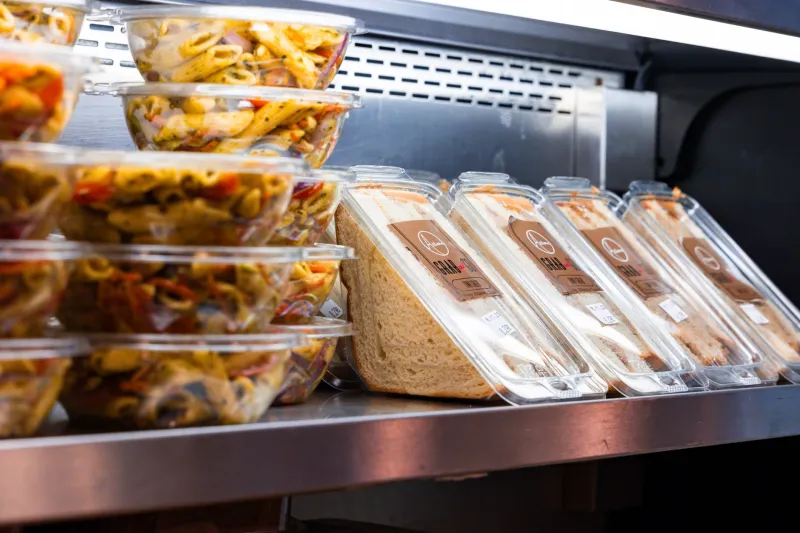
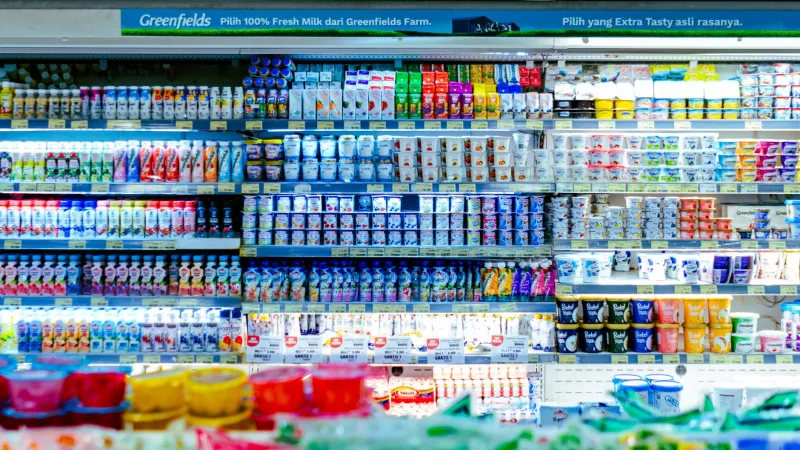
At the top of the pile: a 500ml bottle of milk or a flavoured milk drink, which lands around 17g of protein for roughly a pound. It is not glamorous. It is not Instagram. It is, however, the single most efficient thing in the fridge. Close behind are the supermarket-style concessions — the M&S Food at many Moto sites, the Waitrose at some Welcome Break stops — where a Greek-style yoghurt pot (about 17–20g) or a pack of two boiled eggs (around 12g) does more work than most of the hot counter.
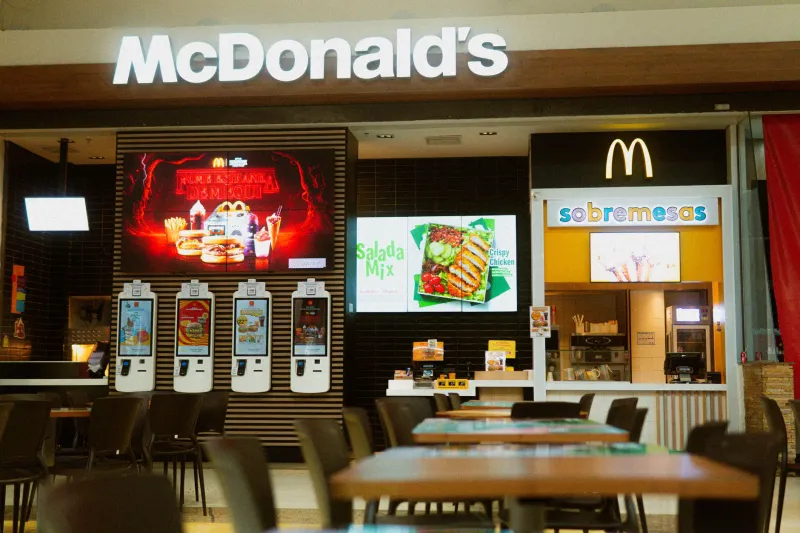
The quiet champion of the hot side is the McDonald's double cheeseburger, which has sat around 25g of protein for years and costs less than most of the sandwiches. KFC's mini fillet burger is decent value too, in the mid-teens of protein. Greggs, where you find one, is fine for a sausage roll but you're looking at 8–9g — it's a snack, not an anchor.
And the bottom of the table? The 'protein' porridge pots that deliver 6g. The sushi boxes at £5.50 that manage 12g if you're lucky. The £6.99 chicken salad where the chicken is more of a rumour. Those are the ones that cost the most per gram and leave you hungry an hour later.
The traps that look virtuous
Let's be specific, because this is where people get caught.
The 'protein' breakfast pot. Often 5–7g, mostly oats and a hopeful label. A yoghurt pot and a boiled egg from the same fridge will double it for less money.
The posh salad. Dressing weighs nothing, chicken portions are stingy, and £7 is a lot to pay for leaves. If you want salad, buy it as a side and add your own protein from elsewhere in the shop.
The smoothie. Three grams of protein and a sugar rush, dressed up in a clean-living font. A milkshake or flavoured milk will beat it every time on protein.
The meal deal. Not terrible, but a £4–5 sandwich-and-crisps combo usually nets you 12–15g. Add a milk instead of the crisps and you're closer to 30g for barely more money.
The bakery cabinet. Sausage roll, pasty, doughnut — all fine in isolation, none of them an anchor. Treat them as the carb alongside something that actually carries protein, not as the meal itself.
Three build-your-own combos that land near 30g
The breakfast stop
Head to the supermarket concession, not the coffee queue. One Greek-style yoghurt pot (about 17g) plus a pack of two boiled eggs (about 12g) gets you to 29g for roughly £3. Add a banana if you want something to eat in the car. Skip the porridge pot. Skip the pastry. You'll be at your destination before the hunger hits.
The lunch stop
A double cheeseburger from the golden arches (around 25g) plus a 250ml milk (about 8g) is 33g for under a fiver, and it's ready in four minutes. If you'd rather sit down, the KFC mini fillet burger plus a small pot of beans will get you into the low twenties — add a milk and you're there. The trick is the drink: swap the fizzy stuff for dairy and you've quietly added 8g without changing the meal.
The late-night stop
This is the one people get wrong, because half the units are shuttered and the only thing open is the 24-hour burger place and the WHSmith. Go to the shop: a 500ml milk (17g) and a pack of two boiled eggs (12g) is 29g, no queue, no cooking. If the eggs are gone, a bag of roasted chicken slices or a pot of Greek yoghurt does the same job. Eat it in the car park like a person with a plan.
The one rule worth keeping
Don't try to make the services into something it isn't. It's a fuel stop with a roof. The goal is simply to leave with enough protein that you're not raiding the cupboard at 4pm, and to spend less than you would on the sad salad you'd have bought out of guilt. Milk, eggs, yoghurt, and one hot item with actual chicken or beef in it. That's the whole strategy.
The Krispy Kreme cabinet will still be there on the way home. It can wait.