The Big Tub Theory: The UK Yoghurt That Wins on Protein Per Penny
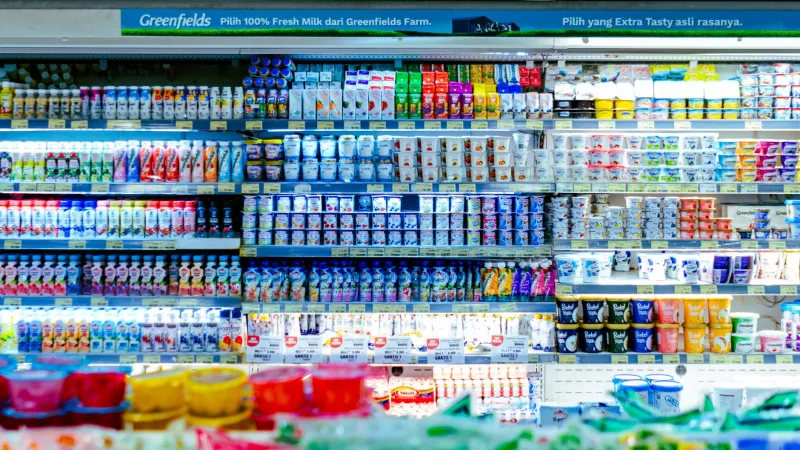
There is a moment in every UK supermarket where you stand in the chilled aisle, pick up a small pot with 'high protein' stamped across it, look at the price, and think: is this actually doing anything for me that a big plain tub could not? Usually, the answer is no. The big tub is less exciting. It has no fitness font. But it often wins the only maths that matters when you are trying to eat well on a normal weekly shop: protein per penny.
This is not a lab test. It is a shopping test. I looked at the own-brand Greek-style, natural and 0% yoghurts that sit in 1kg tubs, compared their labels, and then used them in the ways most of us actually eat yoghurt: breakfast bowls, quick snacks, soup toppings, marinades and savoury dips. The result was less about finding a single hero product and more about spotting the pattern that saves money without wrecking your macros.
Why the 1kg tub usually beats the small protein pot
The maths is blunt. A 1kg tub gives you ten 100g portions. A 450g-500g branded high-protein pot gives you four or five. That means the big tub has to be genuinely awful before it loses on value.
Take a typical own-brand Greek-style yoghurt at around 5g protein per 100g and £1.30 for 1kg. That is 50g protein in the tub, which works out at roughly 0.38g protein per penny. A branded high-protein yoghurt at 10g protein per 100g and £3.50 for 450g gives you 45g protein, or about 0.13g per penny. The branded pot is denser in protein, yes, but you are paying a huge premium for convenience and packaging.
That does not make the branded pot evil. If you need a desk drawer snack with a spoon attached, fine. But for a household using yoghurt most mornings, the 1kg tub is the sensible default. It is also the one that behaves like an ingredient rather than a dessert.
The label is not as honest as it looks
'Greek-style' is the phrase to watch. Real Greek yoghurt is strained and naturally thicker and higher in protein. Greek-style yoghurt is often thickened with cream or milk solids and can sit at 4g-6g protein per 100g. That is not bad. It is just not the protein bomb the packaging sometimes suggests.
Natural yoghurt is usually similar, sometimes a touch lower, but it is thinner and more flexible. It will not make a thick breakfast bowl on its own, but it is excellent for marinades, flatbread dips and adding creaminess to soups without a lot of fuss.
0% Greek-style is where the protein numbers climb. Some tubs hit 7g-10g per 100g, often because milk protein has been added. That can be useful, but check the texture. Some are decent. Some are chalky and sour in a way that makes you feel like you are eating a punishment. If you are using it in a smoothie or with strong flavours, that matters less. If you are eating it plain, it matters a lot.
A rough protein-per-penny table
Prices move around, and regional own-brand labels are not identical, but this is the pattern you will see across UK supermarkets.
| Tub type | Typical protein per 100g | Typical 1kg price | Protein per penny | What it is good for |
|---|---|---|---|---|
| Plain natural 1kg | 4.5g-5g | £1.20-£1.60 | 0.30g-0.42g | Marinades, soups, dips, smoothies |
| Greek-style 1kg | 4g-6g | £1.30-£1.80 | 0.25g-0.46g | Breakfast bowls, dolloping, raita |
| 0% Greek-style 1kg | 7g-10g | £1.80-£2.50 | 0.28g-0.55g | High-protein snacks, desserts, sauces |
| Branded high-protein 450g-500g | 9g-11g | £3-£4 | 0.11g-0.18g | Convenience, travel, desk snacks |
The sweet spot is usually the plain 1kg tub that sits between £1.20 and £1.60 and delivers 5g protein per 100g. It is not the highest-protein thing on the shelf. It is the one that gives you the most protein for your actual money, and it does not force you to eat the same tiny pot every day.
Texture matters more than the marketing
A yoghurt can have brilliant numbers and still be annoying to use. Greek-style tubs should be thick enough to hold a spoon but not so stiff that they sit like wallpaper paste. Natural yoghurt should pour. 0% Greek-style should be smooth, not gritty.
My rough test is simple: spoon a bit into a bowl, stir it once, and see if it holds together. If it splits into watery pools, it will be a pain in a breakfast bowl. If it is grainy, it will show up in a savoury dip. If it is smooth and slightly tart, it will do almost anything.
This is where own-brand tubs often surprise people. The plain versions are not trying to be luxury yoghurt. They are trying to be useful. That is exactly what you want when the job is a 30g-protein breakfast or a quick 5pm snack.
Sweet and savoury: one tub, two jobs
For sweet use, the big tub is easy. Put 200g in a bowl, add berries and a scoop of oats, and you have a decent base with around 10g protein before you add anything else. If you are using a 0% Greek-style tub at 9g per 100g, that same bowl jumps to about 18g protein. Add a spoon of peanut butter or a handful of nuts and you are in proper snack territory.
For savoury use, plain natural yoghurt is the quieter hero. Stir it into a tin of soup at the end of heating and you get creaminess without a cream price. Mix it with grated cucumber, garlic and mint for a quick raita. Use it as a marinade for chicken with paprika, cumin and lemon. Dollop it onto a jacket potato instead of sour cream. None of this needs a recipe card. It just needs a tub that is cheap enough to use without hesitation.
Greek-style works well in a dip with roasted carrots or as a cool layer under spiced chickpeas. 0% Greek-style is better in smoothies, protein desserts and sauces where you want the protein number up and the fat number down.
The practical shop
If you are buying yoghurt for one person, a 1kg tub is still usually the right call if you eat it four or five times a week. Decant some into a smaller container for work if you need to. Buy plain and add your own fruit, honey or spices. You will spend less and waste less.
If you only eat yoghurt occasionally, or you need something that lives in a bag, the small pot still has a place. But do not let the 'high protein' label convince you it is the only serious option. In most UK supermarkets, the plain 1kg tub at the bottom of the shelf is doing the same job for a fraction of the price.
The big tub does not look like a fitness product. That is the point. It is just food, and it earns its place in the basket.